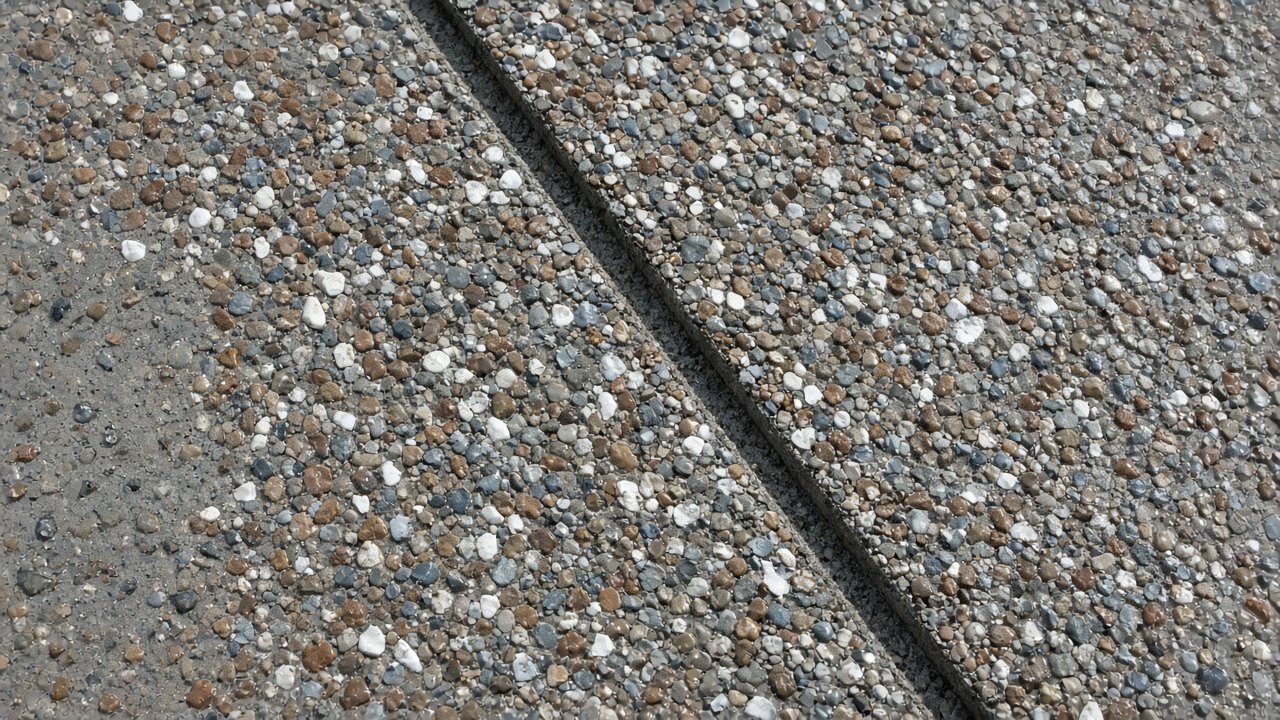
Concrete sealing in Yarragon
Cleaning, moss removal and fresh sealer for aggregate, coloured, stamped and plain surfaces around Yarragon, including driveways, alfresco floors and garage slabs.
Email: info@yarragonconcreting.com.au
Why seal
Concrete is porous. Oil, tyre marks, leaf tannins, rust and mud soak in, and shaded areas grow moss. A sealer resists staining, eases cleaning and brings back colour.
Types
– penetrating sealers: natural look, less slippery – acrylic film sealers: richer colour, satin or gloss – epoxy and polyurethane coatings: for garages and workshops
New concrete
New concrete cures for a few weeks before sealing. Exposed aggregate is cleaned of haze first.
Re-sealing
Signs: water soaking in, faded colour, stains harder to remove. We clean, treat moss, strip failed sealer and re-apply.
How long does sealer last?
It depends on product, traffic and sun; driveways need it more often than covered areas.
Slip resistance
Anti-slip additives go into sealers on driveways, paths, steps and pool areas.
Quotes
A visit comes first, then a written, itemised price.
Penetrating sealers
Penetrating or impregnating sealers soak into the concrete and react within the pores to repel water and oil. They do not form a surface film, so they keep the natural look and texture and do not change slip resistance much. They are a good choice for plain broom driveways and paths where a natural appearance is preferred.
Acrylic sealers
Acrylic sealers form a thin film on the surface. They enhance colour and give a satin or gloss sheen, which suits exposed aggregate, coloured and stamped concrete. They need re-application more often than penetrating sealers, especially on driveways in full sun, and should include anti-slip additives outdoors.
Polyurethane and epoxy coatings
These tougher coatings suit garages, workshops and areas with heavy wear or chemical exposure. They are usually applied over ground concrete and are not ideal for uncovered outdoor areas because sunlight can yellow some epoxies.
Preparing for sealing
Sealer is only as good as the preparation. We pressure clean the surface, treat moss and mould, remove oil stains as far as possible, strip failed or peeling sealer where needed, and let the concrete dry thoroughly. Sealing over dirt, moisture or old flaking sealer leads to cloudy patches and peeling.
Moss and mould in shaded areas
Shaded parts of Yarragon driveways and paths, particularly on the south side of houses and under trees, stay damp through winter and grow moss and mould that make the surface slippery. Cleaning, a moss treatment and a sealer help, along with trimming overhanging plants and improving drainage.
Whitening and cloudiness
Sometimes sealers turn white or cloudy. This is usually caused by moisture trapped under the sealer, applying it too thickly, or applying it in damp or cold weather. Fixing it may require a solvent treatment or stripping and re-applying. Good weather and correct application prevent most cases.
Sealing new exposed aggregate
New exposed aggregate is often left with a light cement haze. We clean the haze off before sealing so the stones show clearly. Sealing too soon traps moisture; waiting a few weeks gives a better result.
How often to re-seal
Driveways in full sun with daily traffic may need re-sealing every couple of years, covered alfresco areas less often. Signs it is time include water soaking in rather than beading, colour looking dull, and stains becoming harder to clean.
Slip resistance in wet weather
Gloss sealers can be slippery when wet. On driveways, paths, steps and pool surrounds, we add anti-slip additives that leave a fine texture without changing the look too much. If you have a slippery existing surface, a clean and re-seal with additive can improve it.
Caring for sealed concrete
Sweep regularly, hose occasionally, clean spills promptly with mild detergent, and avoid harsh acids, solvents or pressure washing too close to the surface, which can damage sealer.
Sealing as part of a new job
We can include sealing in a new driveway, patio or path quote, timed after the concrete has cured. This gives the surface protection from the start, before oil drips and stains have a chance to soak in.
Sealing on farms and sheds
Shed floors, workshop floors and wash bays benefit from sealers that resist oil, fuel and chemicals. Dairy areas need products suitable for frequent washing.
Choosing the right sheen
Matte finishes look natural and hide scuffs; satin finishes enhance colour without much shine; gloss finishes give a wet look and the richest colour but show wear and can be slippery. We show samples so you can choose.
Sealer and weather
Sealer needs dry concrete and suitable temperatures to cure properly. We watch the forecast and avoid sealing before rain or on very hot afternoons. In winter, short dry spells are used for sealing jobs.
What a sealing quote covers
We itemise cleaning, moss treatment, stain removal, any stripping of old sealer, the sealer type, number of coats and anti-slip additive.
Sealing different finishes
Exposed aggregate looks best with a sealer that enriches stone colour. Coloured concrete needs a sealer that keeps pigment vibrant. Stamped concrete usually gets an acrylic that highlights the pattern. Honed concrete needs a sealer suited to fine polished surfaces. We match the sealer to the finish.
Sealing older concrete
Older concrete that has never been sealed can still benefit. After cleaning, a penetrating sealer reduces staining and moss growth. Concrete that has been sealed before may need old sealer removed first if it is peeling or cloudy.
Health and safety
Some solvent-based sealers have strong odours. We ventilate garages and ask that pets and children stay clear until the sealer has dried.
Re-sealing schedules for Yarragon conditions
Our mix of cold wet winters, strong summer sun and plenty of shade from established trees means sealers wear at different rates around the same property. A driveway in full sun might need re-sealing every couple of years, while a covered alfresco could go much longer. Shaded paths may need more frequent moss treatment even if the sealer is sound. We can suggest a simple schedule for your property based on how each area is exposed.
Spot cleaning between re-seals
Clean oil drips with a degreaser as soon as possible, sweep leaves before they stain, and hose off mud after wet weather. These small habits keep sealed concrete looking good between treatments.
Soils, slopes and permits around Yarragon
The village and its estates sit low between two ranges: the Strzelecki hills climb to the south toward Thorpdale and the Baw Baw foothills rise to the north toward Shady Creek. Underfoot on most town lots is dense, sticky clay, mottled yellow and grey, which puffs up after weeks of autumn rain and pulls apart into cracks by February. Near the Moe River and the creeks feeding it, the ground is a soft, wet silt. Up in the southern hills you strike crumbly red volcanic loam that drains freely until it is waterlogged, then turns to slurry on a slope. We open a test hole on each property, strip back to solid ground, rebuild with rolled crushed rock suited to what we find, and grade the surface so rain runs off it.
Work inside your own boundary seldom needs a permit. Anything over the nature strip, kerb or council footpath does: Baw Baw Shire handles Yarragon and most surrounding towns, while Moe sits with Latrobe City. Entrances onto main roads may also need the state road authority to agree, and dwellings, garages and big sheds go through a building surveyor with engineered drawings. If any of these apply, the quote spells it out.
Inside a Yarragon Concreting quote
Our quotes arrive as a written list rather than one lump figure. Each line names a piece of the job: measured square metres, demolition and carting of any old slab or gravel, excavation depth, the rock we will bring in and how thick it goes down, slab depth and reinforcing, the chosen finish and blend, where saw cuts will run, every pit, grate and pipe, edging and step work, sealer, and any paperwork with Baw Baw Shire, Latrobe City or a building surveyor. Pump hire, tight access or a temporary track for the truck get their own line.
There are no square-metre rates on this site, and that is deliberate. Around Yarragon, the hidden work under the surface swings a lot from one property to the next, so a rate quoted blind would either be padded or wrong. Once we have stood on your block, we can price what it really needs.
What you get with Yarragon Concreting
Based in Yarragon 3823
Our yard is in town, so Trafalgar, Darnum, Warragul and the hills either side are minutes away.
Ground checked on every job
Clay, river silt or red hill soil, we dig and test first and build the base to match.
Itemised quotes at no cost
Free visits, no published rates, and every part of the job written down.
Town blocks to dairy farms
Estate driveways, house slabs, sheds, yards and gateways, with permits named upfront.
From first call to finished slab
- 1
Get in touch
Ring, email or use the form, and attach a handful of photos showing the area, the street side and any tricky access.
- 2
Site visit
We measure, shoot levels, open a test hole, check drainage and truck access, and lay finish samples on the ground.
- 3
Written quote
A line-by-line price covering base, depth, reinforcing, finish, saw cuts, drains and any approvals.
- 4
Groundwork
Old surfaces and soft soil are removed, rock is rolled in layers, formwork goes up and steel is chaired.
- 5
Pour day
Trucks or a pump deliver the mix; we level it, finish the surface and keep it covered and damp as it cures.
- 6
Handover
Saw cuts made, forms pulled, the site tidied, sealer applied if included, and a care sheet handed over.
Concrete Sealing questions
Does sealing make concrete slippery?
Some glossy sealers can; we add anti-slip additives.
When can new concrete be sealed?
After a few weeks of curing.
Can you remove moss first?
Yes.
Towns we travel to
More of what we pour
Talk to a Yarragon concreter
Site visits and itemised quotes are free across Yarragon 3823 and the Moe River valley. We leave prices off this website because every block needs its own look.